

A Research Report on Aquatic Animals of Bagmati River, Kathmandu, Nepal
Freshwater provides a home to many species including phytoplankton, zooplankton, aquatic plant, insect, fish, bird, mammal and others. Aquatic biodiversity are organized from the smallest cell levels to complete ecosystem levels, where genetic diversities
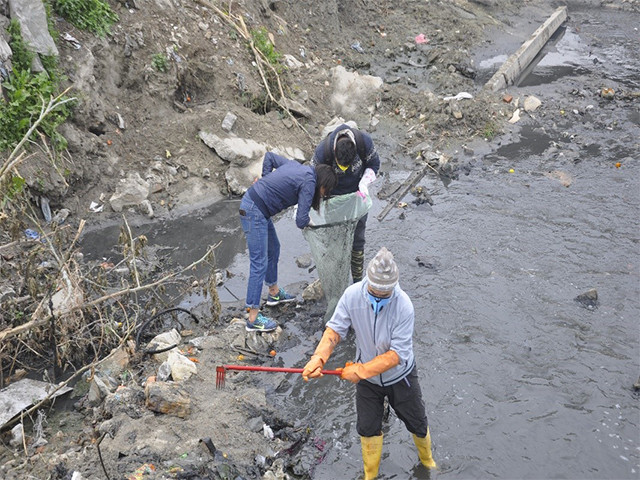
Program Overview
This study assesses the water quality and aquatic habitat in various sites of Bagmati River in Kathmandu valley. This study has been carried out in the autumn season in Sundarijal, Gokarna, Tilganga Bagmati Bridge, Sankhamul, Teku and Chovar sites. Maximum Biological oxygen demand (BOD) was observed from Teku in March 2020 and it was 864 mg/l and the lowest was observed from Shivapuri and it was 1.7 mg/l in May 2021. The minimum and maximum dissolved Oxygen recorded was 6.4 mg/L and 6.7 mg/L at Sundarijal. The pH ranges are 7 to 7.4 for Sundarijal. The minimum conductivity was found in Sundarijal (42µmhos/cm) in June, 2020 whereas the maximum was found in Teku (1304 µS/cm) in March, 2020. The maximum turbidity was observed at Teku and it was 1845 NTU on March 2020 and the lowest at Sundarijal and that was 3.7 on May 2020. Maximum alkalinity of 212.5 mg/l was observed at Teku on March 2020 and lowest at Shivapuri 30mg/l on May 2020. Sundarijal site was found better water quality and higher fish availability. This study was carried out with the support of the Divisional Forest Office, Kathmandu, and LVDI International Inc.